My Accessibility Internet Rally (AIR) 2022 Experience
Participating in AIR 2022 has been a transformative experience for me as a designer. The program challenged me to think differently about web accessibility and the impact it can have on people’s lives. Through the program, I gained a deeper understanding of accessibility best practices, tools, and techniques, and had the opportunity to work alongside talented individuals who shared my passion for creating inclusive and accessible digital experiences. In this article, I would like to share some of the key insights and learnings from my experience in AIR 2022.
From Inspiration to Action: My Journey to Accessibility
In 2020, the world was hit by an unprecedented pandemic. To cheer us up, my husband surprised me with tickets to an online UX conference. During the event, one of the speakers, a visually challenged person, shared their inspiring experience of using technology to adapt to a constantly changing world. They emphasized the crucial role of accessibility in design and how it can make a world of difference for people with disabilities. As a new UX designer, I was inspired by their message and realized how design can help to break down barriers and create more inclusive digital experiences for everyone. From that day on, I became passionate about accessibility and eager to use my skills to make a positive impact. I started learning more about accessibility and how to design more inclusive digital platforms.
Accessibility Internet Rally (AIR) 2022
AIR is an acronym for Accessibility Internet Rally, an annual web design competition organized by the non-profit organization Knowbility. This competition aims to promote accessibility in web design and development and raise awareness about the importance of accessibility for people with disabilities. Participating teams are paired with non-profit organizations and tasked with designing and building accessible websites that meet specific criteria. The competition is judged by a panel of experts, and the winning teams are recognized for their achievements in accessibility and web design.
In 2021, my developer friend Gerson told me about the Accessibility Internet Rally (AIR). He wanted to participate, but unfortunately, registration was already closed. We decided to give it a try the following year and we did!
Gerson initially planned to join as an individual, but as an introvert, I preferred to work with a team that had someone I knew. So, I encouraged him to look for interested people so we could register as a team. Luckily, we found two more team members, Graham and Patrick. Graham had previously worked with Gerson on some web development projects, and Patrick was my former colleague at SeeYouDoc. We signed up as a four-person team, and Knowbility assigned two more talented individuals to complete our team and a mentor who is a Senior Accessibility Product Manager at Amazon.
The AIRway Team
Graham, a former Air Traffic Control Simulator and Commercial Pilot, suggested the team name “Airway” which we all agreed on. The name aligned with the event title, AIR, and resonated with our team’s vision of how we wanted to represent and deliver the project. We aimed to create a platform that would serve as an “airway” for individuals with disabilities to take off and soar.
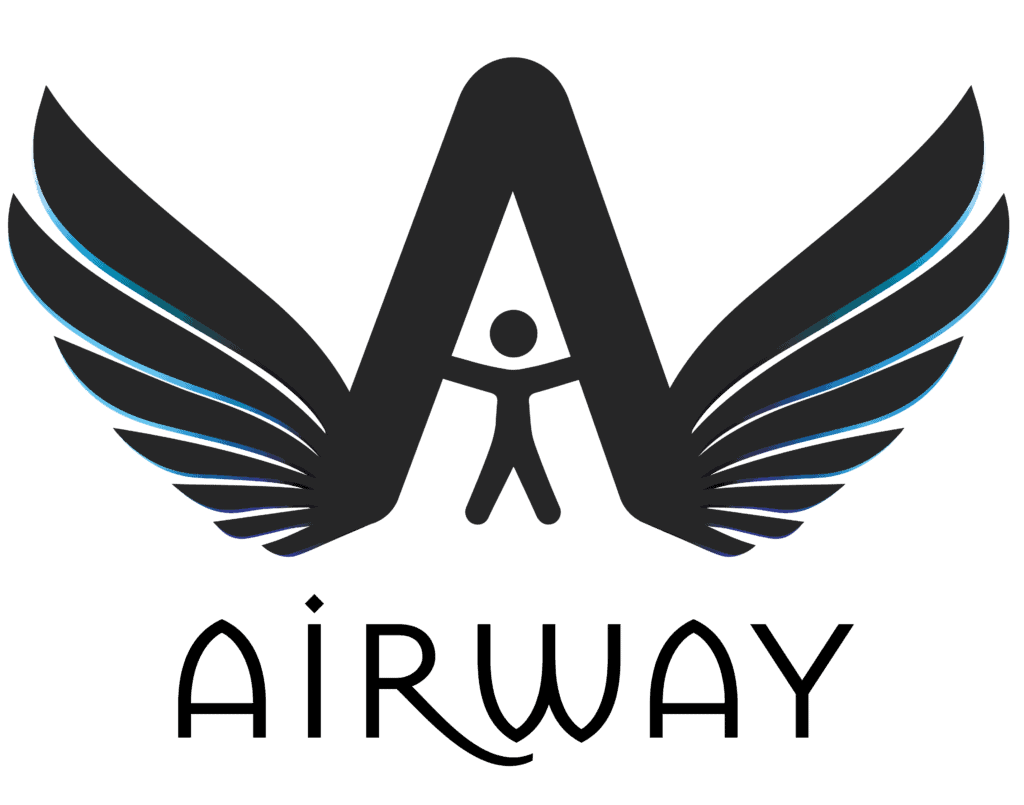
To align with our team’s vision, we created a very straightforward logo by incorporating the A and W to represent our team name, added wings to give the impression of flight. To further emphasize our commitment to accessibility, added the A11Y logo, which appears as if it is holding or carrying the wings.
Our team is made up of members from different parts of the world. Gerson, Patrick, and I are from the Philippines, while our colleagues Graham, Deneb, and Kosi are spread across various states and time zones in the US. Despite this, we managed to collaborate effectively. We held meetings late at night in the Philippines, which was early in the morning for our US counterparts.
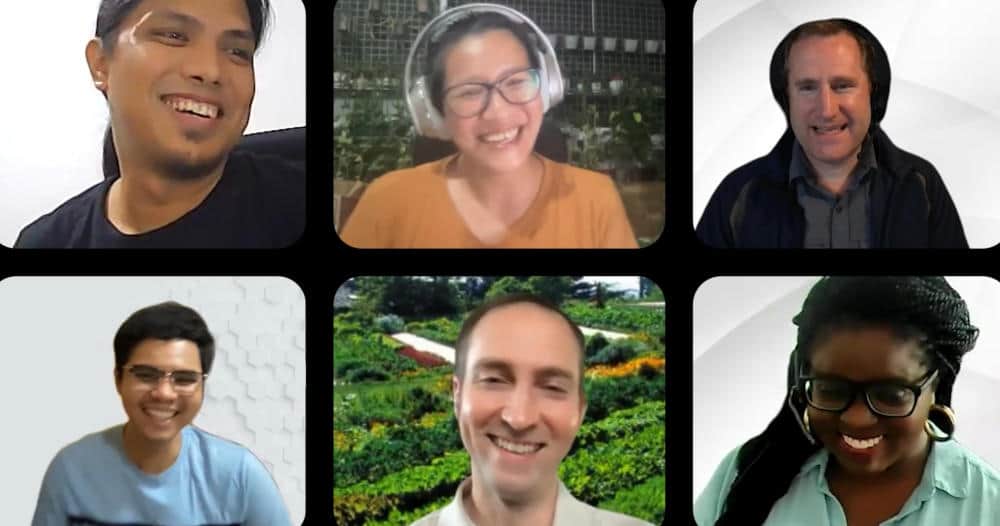
Meet the team that brought home the win at AIR 2022 – the AIRway team! (L-R)
Gerson Lacdao, the accessibility warrior and developer extraordinaire.
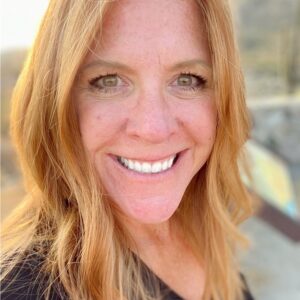
Catt Juan, yours truly, UX Designer
Graham Venning, our reliable cheerleader and team lead.
Patrick Gerolaga, the task champion, and project manager.
Deneb Pulsipher, WAS, the captain accessible and web developer maestro.
Kosi Asabere, the accessibility guardian and QA expert.
Sindhuja Xavier, (not in photo) our accessibility advocate, and mentor.
Marti Thomas, the Director of Development for Work Opportunities Org, is our client for the Accessibility Internet Rally (AIR) 2022. Work Opportunities is a non-profit organization committed to providing job placement and support services to individuals with disabilities, with the goal of enabling them to attain employment and greater independence. Work Opportunities offers a variety of programs and services such as job coaching, skills training, and career exploration, as well as working with employers to create more inclusive and accessible workplaces. Ultimately, their mission is to empower individuals with disabilities to realize their full potential and lead fulfilling lives.
Upon learning that Work Opportunities would be our client, we were filled with excitement and motivation. Their mission and values resonated with us, and we felt inspired to deliver our best efforts for this project. Driven by our determination to help, we were motivated to succeed.
AIRway Team wins First place at AIR 2022!
After dedicating three months to designing, developing, testing, and refining the website, we submitted our final product for AIR 2022. While eagerly waiting for the results of the competition, our team continued working on perfecting the remaining parts of the website that were not included in the judging process. Our primary goal was not only to win but also to ensure that the website effectively conveyed our client’s mission of serving individuals with disabilities. Our aim was to help them make a positive impact on society.
On the day of the awarding ceremony, I woke up early, feeling both thrilled and slightly apprehensive. Our AIRway team members were among the first to join the Zoom call. We even had a chance to chat with the organizers and learned that we were the most curious team this year, consistently seeking clarification on the rules, judging criteria, and anything related to the competition. I believe that our diligence paid off because we delivered a website that our client, Marti, and Work Opportunities genuinely love.
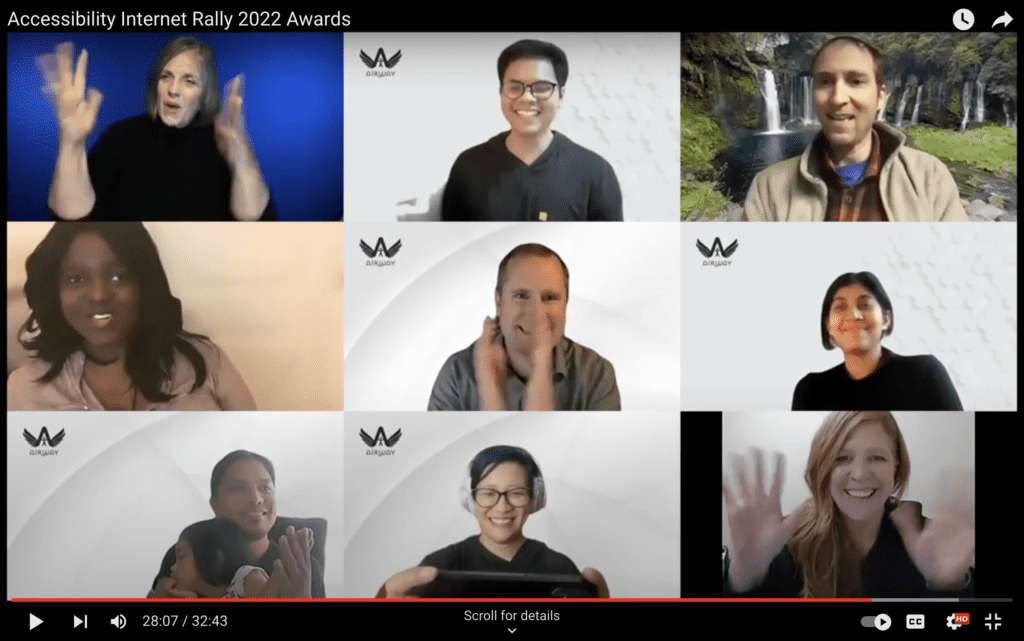
All smiles from the whole AIRway team as they announced us as First Place.
You may click on the image to watch the part where they announce it.
The final results of the Accessibility Internet Rally 2022
Here’s what Marti has to say about her experience at AIR 2022
“I’m just so grateful. Even if we hadn’t won, the collaboration of this entire process and this team is just beyond my words and the site is amazing.
One of my favorite features is the feature that they added for us to be able to collect stories of the people that we serve and even the businesses that support our clients… Next year’s our sixtieth anniversary so it’s going to be an amazing tool”
~ Marti Thomas, Work Opportunities
My Takeaways from AIR 2022
This event wasn’t just a competition; it also had trainings and workshops that taught us things. This made it both competitive and educational.
As the designer on our team, I played an important role in getting us ready for the project. To prepare for the competition, I had to read articles and lessons from different sources like W3C to learn about the accessibility guidelines. I had a lot to learn and had to work extra hard to keep up with my teammates who already have a background in accessibility. I had to be really careful with my designs to make sure I didn’t miss anything that Knowbility would look for and to make things easy for our developers. Luckily, despite being new to accessible design, my teammates and our client were supportive and appreciated my work.
At the beginning of the program, Knowbility held a workshop to talk about how they would judge the AIR 2022 competition. This gave us a lot of time to make sure our website met all the accessibility requirements from the very start. Our team paid close attention to every detail of the website, and we asked questions, got more information from the organizers, and took feedback seriously. All these things helped us design and create a website that our client was really happy with.
Designing a website with the client’s users in mind is crucial because, ultimately, the website is meant to serve them. To make sure the website accommodates their needs and provides a good experience, it’s important to know their challenges and needs. Our team worked with Work Opportunities and made accessibility a priority, which helped us focus on the needs of their users. Even though it’s important to consider the client’s vision and goals, designing for the end user ensures the website delivers the message and achieves its goals. By understanding the target audience and how they might use the website, we made sure to design a website that was accessible and welcoming to everyone.
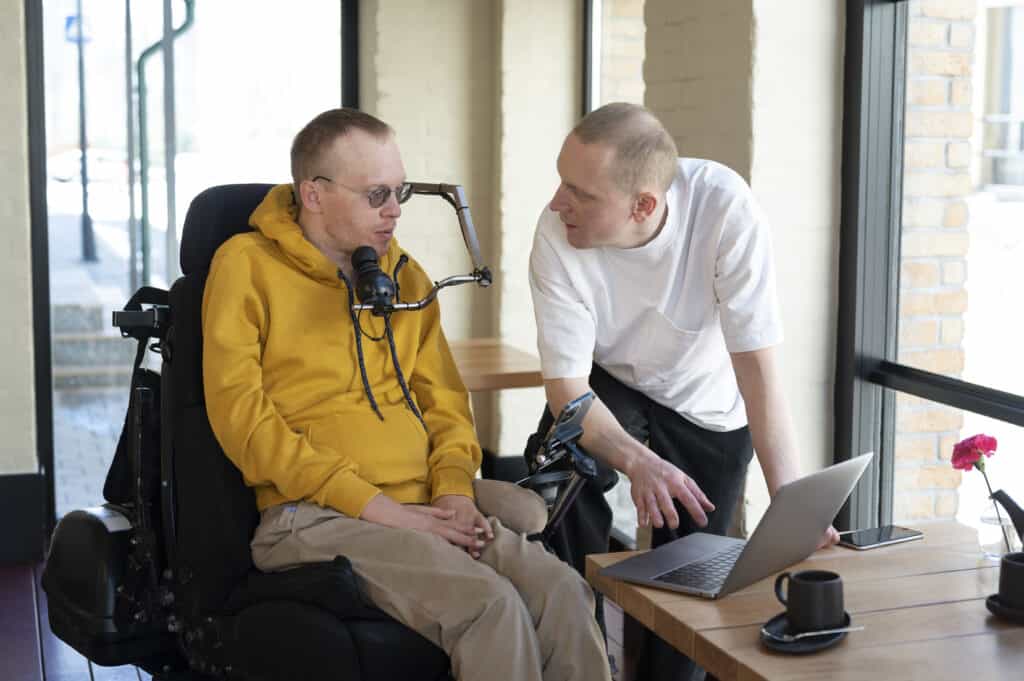
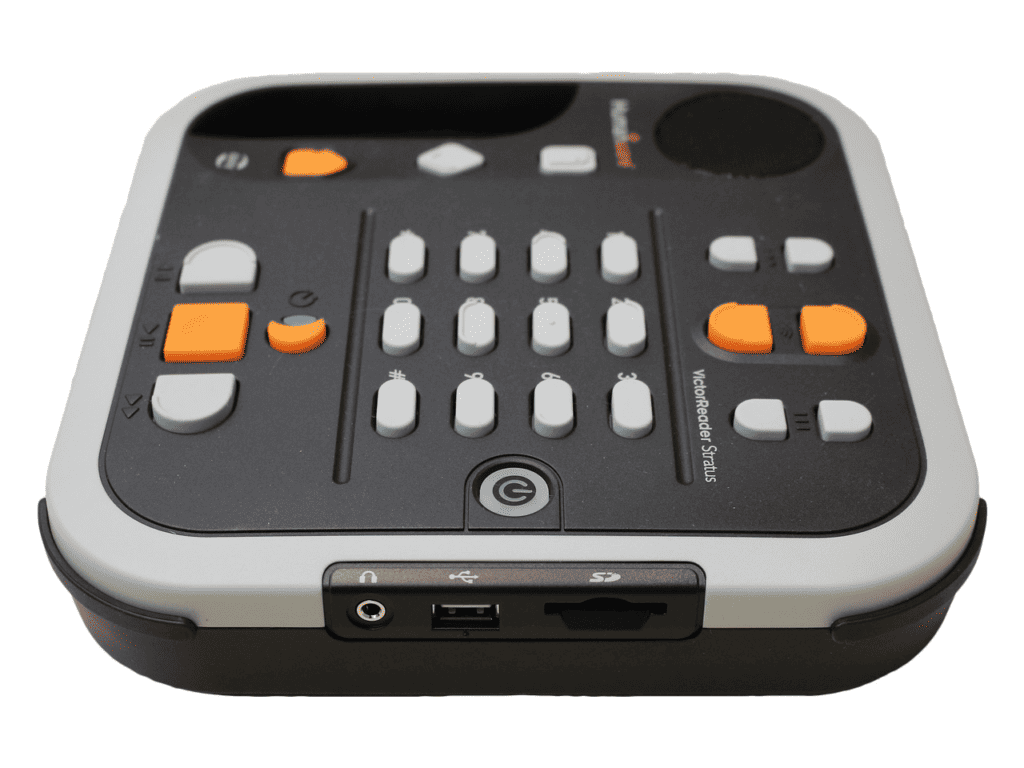
We are fortunate to have Kosi as our QA on the team. Her experience as an assistive technology user has been a big help. She demonstrated how she navigates websites using a screen reader, providing us with valuable first-hand feedback. This helped us gain a better understanding of how our design and development choices can affect the user experience of those with disabilities. Working with Kosi made me realize the importance of having someone from the target audience involved in every step of a project. One fascinating thing I learned from her is that most people with visual impairments have highly developed auditory senses, often allowing them to process information at lightning speed when listening. During Kosi’s screen reader demo, she had to slow down the reader so we could keep up with what it was saying.
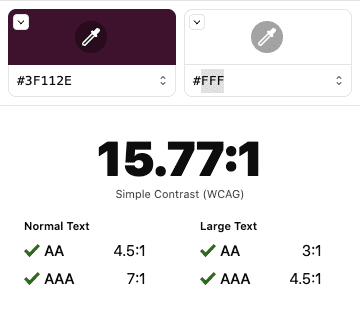
Before working on this project, I didn’t give much thought to things like font size or color contrast in my designs. My main focus was on making them look stylish and attractive. However, working on the Work Opportunities Org website made me realize the importance of considering accessibility. At first, following accessibility guidelines may seem like a restriction on our creativity as designers. We have to check the colors and their combinations to ensure they meet the accepted contrast ratio, and make sure the fonts we use are clear and readable for everyone. Although it may seem like extra work, designing with accessibility in mind benefits everyone. We create a website that is easy to use for all users, which is a win-win situation. Now, accessibility has become a critical part of my design process. Whenever I start a new project, I always consider accessibility right from the beginning.
Accessibility does not end in design, it’s just the tip of the iceberg. It involves a lot more factors to create an accessible website. Here are some key considerations:
Alt text for images: Alt text helps users with visual impairments understand the content of an image by providing a textual description of the image.
Keyboard navigation: It’s important to ensure that all website functions can be accessed via keyboard navigation, as users with mobility impairments may not be able to use a mouse.
Proper use of headings: Proper use of headings (H Tags) helps users with screen readers understand the structure of the content on the page.
Descriptive labels and messaging: Providing descriptive labels for forms and fields, as well as clear and concise instructions and feedback for all user interactions, such as form submissions or error messages.
Captions and transcripts for multimedia content: Captions and transcripts help users with hearing impairments understand multimedia content.
Descriptive link text: Link text should be descriptive enough to give users an understanding of the content they will be accessing.
Clear and concise content: Writing content that is easy to read and understand helps all users but is particularly important for users with cognitive impairments.
Participating in AIR 2022 has been an incredible learning experience for me, particularly in designing with accessibility in mind. Through this program, I gained a deep understanding of the rules and regulations surrounding web accessibility and witnessed firsthand how assistive technologies can benefit those who require them. Winning this competition was certainly an honor, but it also humbled me and reminded me of the importance of designing with empathy and inclusivity.
In Summary
Participating in AIR 2022 was an incredible experience for me, as it allowed me to gain a deeper understanding of the importance of accessibility in web design. It also helped me to realize the impact that assistive technologies can have on individuals with disabilities. Being part of the competition provided me with a unique opportunity to work on a real-world project that had the potential to make a difference in people’s lives. It was both challenging and rewarding, and I learned a lot from the experience.
Designing with accessibility in mind is not just a good practice, it’s a moral obligation to ensure that everyone, regardless of their abilities, can access and use digital content. The AIR 2022 competition provided a unique opportunity for designers and developers to not only showcase their skills but also learn about accessibility and its importance. Winning the competition was a proud moment, but more importantly, it was a humbling experience that highlighted the value of teamwork, attention to detail, and putting the client’s users first. As the field of web design continues to evolve, it’s crucial that we continue to prioritize accessibility and strive to create inclusive experiences for all users.
I was part of AIR 2022 and it was great! I learned a lot about accessibility in web design and how it helps people with disabilities. We worked on a real project that could help people. It was challenging but also rewarding. Everyone should be able to use digital content, so it's important to design with accessibility in mind. Winning the competition was cool, but working together and paying attention to details was even more important. As web design changes, we need to remember to make things inclusive for everyone. AIR 2022 changed the way I think about web accessibility and I learned a lot about it. I want to share what I learned with others.